
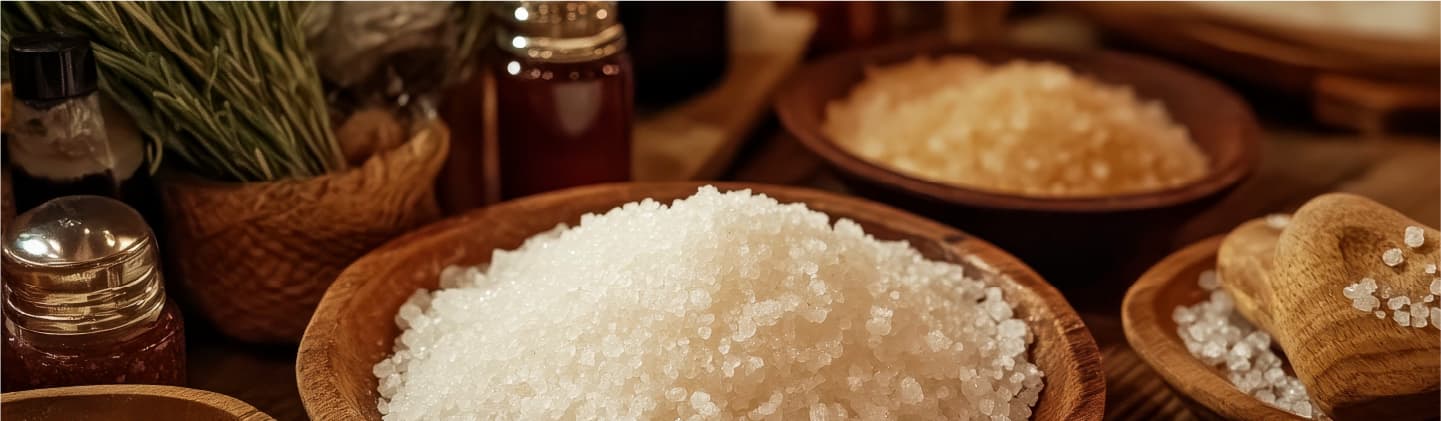
The Benefits of Terpenes
Supporting Daily Life and Contributing to a Sustainable Society
Terpenes are used in a wide range of fields, including pressure-sensitive and structural adhesives, rubber and plastic modifiers, fragrance ingredients, cleaning agents, electronic materials, pharmaceutical and agrochemical intermediates. These applications form the foundation of our society.
For future applications, terpenes are expected to play an increasingly important role in environmental and energy-related fields, information technology, and life sciences. We aim to focus on these new fields by leveraging the power of terpene based on our core technologies.
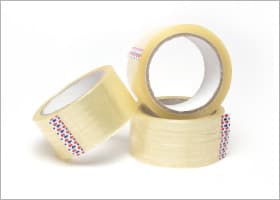
1. Effective Use in Adhesives and Modifiers
Materials: Terpene-based resins
Applications
- •Tackifiers for pressure-sensitive adhesive tapes
- •Hot melt adhesive resins
- •Modifiers for rubber and plastics

2. Effective Use in Fragrance Applications
Materials: Turpentine oil, orange oil, terpene derivatives
Applications
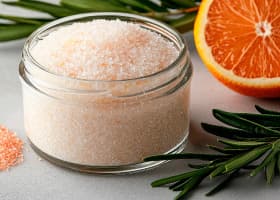
- •Raw materials and intermediates for cosmetic fragrances and food flavors
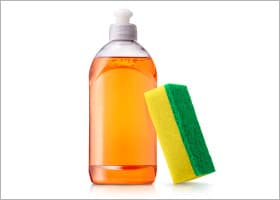
- •Air fresheners, bath additives, deodorants, and cleaning agents
3. Effective Use in Electronics
Materials: Turpentine oil, orange oil, terpene derivatives
Applications
- •Dispersing solvents for metal, glass, and ceramic pastes
- •Cleaning agents for electronic components
- •Materials for semiconductors and electronic parts


4. Future Focus Areas
Environmental & Energy Fields: Solar cell and fuel cell materials
Applications
- ・Information Technology: FPD (LCD, OLED) materials, paste dispersing solvents
- ・Life Sciences: Medical materials, antibacterial and insect-repellent agents

Terpenoids around us
Terpenes are all around us in everyday life. Here are some examples
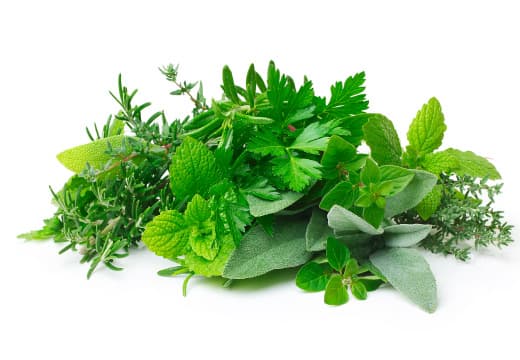
Botanical Essential Oils
The refreshing mint scent (menthol) and the strong insect repellent scent (camphor) are both monoterpenoids that contain one oxygen atom.
Rosin Bags
Used by athletes and violinists for grip, rosin contains abietic acid, a diterpenoid with 20 carbon atoms.
Vegetable Pigments (Red & Yellow)
Lycopene (tomatoes), beta-carotene (carrots), cryptoxanthin (mandarins), and lutein (egg yolks) are all carotenoids, which are tetraterpenoids with 40 carbon atoms and known for their health benefits.
Natural Rubber (from Para Rubber Trees)
Natural rubber is a polyterpenoid, consisting of hundreds or thousands of isoprene (C₅H₈) units.

Reference: “Tennen Yakubutsu Kagaku”(Natural Medicinal Chemistry), Toshio Kawasaki and Itsuo Nishioka et al., Hirokawa Publishing, 1996